


Bhagwad Geeta
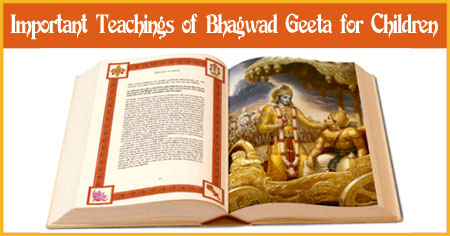
Namaste! Welcome to online resources on Bhagwad Geeta. We are happy that you are here, and have taken another step towards your spiritual development. Here you will find links to a few important classical commentaries on the Holy Geeta written by saints and sages over hundreds of years. This list is not intended to be exhaustive. You can post your questions in the FAQ section of this website.
The Holy Bhagwad Geeta for Recitation
1. Sanskrit-English Transliteration
The Holy Bhagwad Geeta Translations
1. Geeta Press
2. Several Translations and Commentaries by verses at GitaSupersite.iitk
The Holy Bhagwad Geeta Commentaries
1. Gyaneshwari in Marathi
2. Bal Ganga Dhar Tilak. Geeta Rahasya. in Hindi in English in Marathi
3. Adi Shankaracharka. Original Sanskrit and its Hindi Translation by Shri Harikrishnadas Goyendka (Geeta Press). English Translation by Swami Gambhirananda English Translation by AM Sastri (Original 1901 Print)
4. Shri Aurobindo. Essays on Gita (1997). Sri Aurobindo Ashram.
5. Annie Besant and Bhagvan Das. The Bhagavad-Gita (1905). With Sanskrit text, free translation, word-for-word translation, and an introduction to Sanskrit Grammer.
6. Swami Krishnananda. The Commentary on Bhagavad Gita. The Divine Life Society.
7. Swami Chinmayananda. The Holy Geeta (2008). Central Chinmaya Mission Trust.
Benefits of reading Bhagwad Geeta
The purpose of Bhagavad-gita is to deliver mankind from the nescience of material existence. Every man is in difficulty in so many ways, as Arjuna also was in difficulty in having to fight the Battle of Kurukshetra. Arjuna surrendered unto Sri Krsna, and consequently, this Bhagavad-gita was spoken. Not only Arjuna, but every one of us is full of anxieties because of this material existence. Our very existence is in the atmosphere of non-existence. Actually, we are not meant to be threatened by nonexistence. Our existence is eternal. But somehow or other we are put into asat. Asat refers to that which does not exist.
Out of so many human beings who are suffering, there are a few who are actually inquiring about their position, as to what they are, why they are put into this awkward position and so on. Unless one is awakened to this position of questioning his suffering, unless he realizes that he doesn't want suffering but rather wants to make a solution to all suffering, then one is not to be considered a perfect human being. Humanity begins when this sort of inquiry is awakened in one's mind. In the Brahma-sutra this inquiry is called Brahma jijnasa. Athato Brahma jijnasa. Every activity of the human being is to be considered a failure unless he inquires about the nature of the Absolute. Therefore those who begin to question why they are suffering or where they came from and where they shall go after death are proper students for understanding Bhagavad-gita. The sincere student should also have a firm respect for the Supreme Personality of Godhead. Such a student was Arjuna.
Please find below Below some benefits or glories of Bhagavad Gita.
. . .
In conclusion, Bhagavad-gita is a transcendental literature which one should read very carefully. Gita-sastram idam punyam yah pathet prayatah puman: if one properly follows the instructions of Bhagavad-gita, one can be freed from all the miseries and anxieties of life. Bhaya-sokadi-varjitah. One will be freed from all fears in this life, and one's next life will be spiritual.
Gita-mahatmya 1
"If one reads Bhagavad-gita very sincerely and with all seriousness, then by the grace of the Lord the reactions of his past misdeeds will not act upon him."
Gita-mahatmya 2
"One may cleanse himself daily by taking a bath in water, but if one takes a bath even once in the sacred Ganges water of Bhagavad-gita, for him the dirt of material life is altogether vanquished."
Gita-mahatmya 3
Because Bhagavad-gita is spoken by the Supreme Personality of Godhead, one need not read any other Vedic literature. One need only attentively and regularly hear and read Bhagavad-gita. In the present age, people are so absorbed in mundane activities that it is not possible for them to read all the Vedic literatures. But this is not necessary. This one book, Bhagavad-gita, will suffice, because it is the essence of all Vedic literatures and especially because it is spoken by the Supreme Personality of Godhead.
Gita-mahatmya 4
"One who drinks the water of the Ganges attains salvation, so what to speak of one who drinks the nectar of Bhagavad-gita? Bhagavad-gita is the essential nectar of the Mahabharata, and it is spoken by Lord Krsna Himself, the original Visnu."
Gita-mahatmya 5
Bhagavad-gita comes from the mouth of the Supreme Personality of Godhead, and the Ganges is said to emanate from the lotus feet of the Lord. Of course, there is no difference between the mouth and the feet of the Supreme Lord, but from an impartial study we can appreciate that Bhagavad-gita is even more important than the water of the Ganges.
"This Gitopanisad, Bhagavad-gita, the essence of all the Upanishads, is just like a cow, and Lord Krsna, who is famous as a cowherd boy, is milking this cow. Arjuna is just like a calf, and learned scholars and pure devotees are to drink the nectarine milk of Bhagavad-gita."
Gita-mahatmya 6
In this present day, people are very much eager to have one scripture, one God, one religion, and one occupation. Therefore, ekam sastram devaki-putra-gitam: let there be one scripture only, one common scripture for the whole world -- Bhagavad-gita. Eko devo devaki-putra eva: let there be one God for the whole world -- Sri Krsna. Eko mantras tasya namani: and one hymn, one mantra, one prayer -- the chanting of His name: Hare Krsna, Hare Krsna, Krsna Krsna, Hare Hare/ Hare Rama, Hare Rama, Rama Rama, Hare Hare. Karmapy ekam tasya devasya seva: and let there be one work only -- the service of the Supreme Personality of Godhead.
Gita-mahatmya 7
https://answers.yahoo.com/question/index;_ylt=A0LEViUUr6BZbzcAXgAPxQt.;_ylu=X3oDMTByNXM5bzY5BGNvbG8DYmYxBHBvcwMzBHZ0aWQDBHNlYwNzcg--?qid=20100908011158AAjUG65&p=bhagwad%20geeta%20benifits%20to%20a%20human
Dec0721, 09:00PM
Shrimad Bhagwad Geeta Summary
Chapter 1 is also known as Arjun Visada Yog. Vishada / Visada means “despair”. In summary, chapter 1 of Bhagavad Gita portrays Arjuna’s despair on seeing the army of Kauravas. The thought of killing his relatives makes him numb.
Chapter 2, Shri Krishna gives the knowledge to Arjun. Arjun refuses to fight on seeing his relatives in the opposite army and denounces the sinful act of killing. On hearing this and seeing Arjun crying, God Kaal enters in to the body of Shri Krishna.
Chapter 3: karma -yoga Arjuna therefore opens Chapter Three asking Krishna why He is encouraging fighting if intelligence is better than fruitive work. Krishna then explains 'karma- Yoga ', reaction-free devotional work, and clears up Arjuna's mistaken idea that all work is fruitive and leads to bondage.
Chapter 4 – In the beginning from Verse 1-3, God says to Arjun that I had imparted this ‘ eternal way of worship ‘ to Sun God (Surya). Sun God narrated it to son Manu and Manu passed this on to his son Ikshwaku. In this way, this tradition was being carried on. The great knowledge had then disappeared for a long time.
Chapter 5 is Karma Sanyasa Yoga. In this chapter, Krishna compares the paths of renunciation in actions (Karma Sanyas) and actions with detachment (Karma Yoga) and explains that both are means to reach the same goal and we can choose either.
Chapter 6: Dhyana- Yoga. Krishna begins the Sixth Chapter by explaining that the neophyte yogi engages in fruitive sitting postures while the advanced yogi, the true 'sannyasi', works without attachment.
Chapter 7 Verse 1 to 12, it is said that Arjun, whosoever is engaged in me (Brahm) with full attachment and the knowledge by which my supreme devotee will become fully knowledgeable, by this knowledge he will come to know that what is the state of everyone.
Chapter 8, Arjun asks the narrator of Bhagavad Gita (Kaal) about the secret of the Supreme God. Kaal gives information about worship of himself and also reveals his mantra which is ‘Om’. Apart from this Kaal also gives the most secret information about the Supreme God.
Chapter 9 Verse 1, 2, it is said that I shall now tell you the most secret knowledge of all the knowledge, knowing which man gives up evil acts i.e. becomes free from the evil deeds. Supreme God Alone is the Basis of All the Living Beings
Chapter 10 Verse 10, it is stated that I induce darkness of ignorance in the intellect of those who are engaged in the yog of practice and who worship me with love; as a result of which they come to me (Kaal).
Chapter 11 In chapter eleven Lord Krishna is beseeched by Arjuna to reveal His universal form showing all of existence. Thus this chapter is entitled: The Vision of the Universal Form.
Chapter 12 In chapter twelve Lord Krishna extols the glory of devotion to God. Along with this he explains the different forms of spiritual disciplines and discusses the qualities of the devotees who by performing their activities in this way become very dear to Him. Thus this chapter is entitled: The Path of Devotion.
Chapter 13 - Bhagavad Gita Bhagavad Gita Chapter 13 In Bhagavad Gita Chapter 13, explanation about the body (Kshetr) and the defects within the body has been elaborated; the defects being lust, anger, greed, attachment, false-ego etc. One who has the understanding of all the senses and the sense-objects is known as ‘Kshetragya’.
Chapter 14 Verse 18, it is stated that one who is situated in Satgun (i.e. a worshipper of Vishnu) goes to higher loks like heaven etc. Then goes to birth-death, hell and 84 lakh births.
Chapter 15.15: I am seated in the hearts of all living beings, and from Me come memory, knowledge, as well as forgetfulness. I alone am to be known by all the Vedas, am the author of the Vedānt, and the knower of the meaning of the Vedas.
Chapter 16 of the Bhagavad Gita is Daivasura Sampad Vibhaga Yoga. In this chapter, Krishna describes explicitly the two kinds of natures among human beings - divine and demoniac.
Chapter 17: Śhraddhā Traya Vibhāg Yog Earlier in chapter fourteen, Shree Krishna had explained the three gunas or modes of material nature and how they govern human behavior. In this chapter, He goes deeper into the subject. In the beginning, He discusses faith as an inseparable aspect of human nature and says that everyone holds faith.
Chapter 18 of Bhagavad Gita is the conclusion. In this chapter, the narrator of Gita, Kaal (Brahm) repeats the most secretive knowledge and also reveals to Arjun the passage to achieve complete liberation and Supreme God. He asks Arjun to go in to the refuge of another Supreme God for Transcendental Peace.
Aug2721, 09:22PM
Bhagwad Geeta
Chapter 1
Verse1
Dhrishtra uvach:
Dharm kshetre kuru kshetre
samvetad yuyutsavah
mamakah Pandavah cha eva
kim kurwat Sanjaya
Dhrishtra said:
In the place of pilgrimage, in the named Kurukshetra assembled, desiring to fight
my sons, the sons of Pandavah, and, certainly
what, did they do, O Sanjaya
Dhritrashtra said: O Sanjaya, after my sons and the sons of Pandu assembled in the place of pilgrimage at Kurukshetra, desiring to fight, what did they do?
Dr. Pari
March3021, 5:19 pm
न हि ज्ञानेन सदृशं पवित्रमिह विद्यते |
तत्स्वयं योगसंसिद्धः कालेनात्मनि विन्दति || 4.38 ||
Translation:
There is nothing in this world more sacred than the Divine knowledge. Whoever personally achieves success in this yoga (of Divine knowledge) realizes this truth in his self in due course of time.
इस संसार में दिव्यज्ञान के समान कुछ भी उदात्त तथा शुद्ध नहीं है | ऐसा ज्ञान समस्त योग का परिपक्व फल है | जो व्यक्ति भक्ति में सिद्ध हो जाता है, वह यथासमय अपने अन्तर में इस ज्ञान का आस्वादन करता है |
The knowledge is the key to open the door to the wisdom, prosperity, and happiness. The knowledge is power. The person with knowledge can have the control over the situation, over its life. Look around yourself, the scientific discoveries made our life so much different than we used to live past thousands of years, and it is all about knowledge. We live longer than before due to medical revolution, we have great facilities that no one could think few decades before due to a scientific revolution.
Mankind has an immense thirst for the knowledge, and it made them unbeatable in this world. Our Rishis (Ancient Monks) considered the knowledge as a gift from God. In the other hand, the ignorance is the curse. The man with improper knowledge or no knowledge can be very dangerous for himself and the society. While other hands, Knowledge can make you lead the society.
That is why education is very important. Education has a power that can cure the poverty. Education has the power that can make a better society. For the rising country like India, Education is the most necessary thing. But the other problem India facing is the lack of good teachers. The teacher or The guru can help you to learn new things and also filter them with the sieve of morality. Because the person with knowledge but without morality could be dangerous. And our history had witnessed such situation as well.
Why are some people more knowledgeable than you?
Knowledge is the product of curiosity. If you find something curious, you will try to gain more details about it, you will do google, will read books about it. And honest efforts of you will help you to increase the knowledge on that particular thing eventually. But you never feel curiosity anymore, right?. If you remember, when you were a child, you used to ask many questions to your parent or teacher. But as you brought up, you became more and more materialistic, you killed the innocent child within you, you killed the same curiosity that represents you.
You know why Lord Krishna explained Bhagavad Gita only to Arjuna, not Bhima or Yudhisthira or any other great Worriers. Because Arjuna asked the questions. Simple, Isn’t it? Ask a question, Be curious.
Who seeking knowledge, will gain knowledge.
- Lord Krishna, Bhagavad Gita
http://bhagavadgita.cipherhex.com/importance-of-knowledge/
Dec1122, 07:09PM
Finished on Dec1422, 9:53 PM
Shrimad Bhagwad Geeta
Chapter: 1
Observing The Armies
On The Battlefield Of Kurukshetra
धृतराष्ट्र उवाच ।
धर्मक्षेत्रे कुरुक्षेत्रे समवेता युयुत्सवः ।
मामकाः पाण्डवाश्चैव किमकुर्वत सञ्जय ॥ १-१॥
dhṛtarāṣṭra uvāca
dharmakṣetre kurukṣetre samavetā yuyutsavaḥ
māmakāḥ pāṇḍavāścaiva kimakurvata sañjaya
Dhritarashtra said: What did the sons of Pandu and also my people do when, desirous to fight, they assembled together on the holy plain of Kurukshetra, O Sanjaya?
dhṛtarāṣṭra uvāca = King Dhritarashtra said; dharmakṣetre = in the place of pilgrimage; kurukṣetre = in the place named Kuruksetra; samavetāḥ = assembled; yuyutsavaḥ = desiring to fight; māmakāḥ = my party (sons); pāṇḍavāḥ = the sons of Pandu; ca = and; eva = certainly; kiṃ = what; akurvata = did they do; sañjaya = O Sanjaya.;
सञ्जय उवाच ।
दृष्ट्वा तु पाण्डवानीकं व्यूढं दुर्योधनस्तदा ।
आचार्यमुपसङ्गम्य राजा वचनमब्रवीत् ॥ १-२॥
sañjaya uvāca
dṛṣṭvā tu pāṇḍavānīkaṃ vyūḍhaṃ duryodhanastadā
ācāryamupasaṅgamya rājā vacanamabravīt
Sanjaya said: Having seen the army of the Pandavas drawn up in battle array, King Duryodhana then approached his teacher (Drona) and spoke these words.
sañjaya uvāca = Sanjaya said; dṛṣṭvā = after seeing; tu = but; pāṇḍavānīkaṃ = the soldiers of the Pandavas; vyūḍhaṃ = arranged in a military phalanx; duryodhanaḥ = King Duryodhana; tadā = at that time; ācāryaṃ = the teacher; upasaṅgamya = approaching; rājā = the king; vacanaṃ = word; abravīt = spoke.;
पश्यैतां पाण्डुपुत्राणामाचार्य महतीं चमूम् ।
व्यूढां द्रुपदपुत्रेण तव शिष्येण धीमता ॥ १-३॥
paśyaitāṃ pāṇḍuputrāṇāmācārya mahatīṃ camūm
vyūḍhāṃ drupadaputreṇa tava śiṣyeṇa dhīmatā
Behold, O Teacher! this mighty army of the sons of Pandu, arrayed by the son of Drupada, thy wise disciple.
paśya = behold; etāṃ = this; pāṇḍuputrāṇāṃ = of the sons of Pandu; ācārya = O teacher; mahatīṃ = great; camūṃ = military force; vyūḍhāṃ = arranged; drupadaputreṇa = by the son of Drupada; tava = your; śiṣyeṇa = disciple; dhīmatā = very intelligent.;
अत्र शूरा महेष्वासा भीमार्जुनसमा युधि ।
युयुधानो विराटश्च द्रुपदश्च महारथः ॥ १-४॥
atra śūrā maheṣvāsā bhīmārjunasamā yudhi
yuyudhāno virāṭaśca drupadaśca mahārathaḥ
Here are heroes, mighty archers, equal in battle to Bhima and Arjuna, Yuyudhana, Virata and Drupada, each commanding eleven-thousand archers.
atra = here; śūrāḥ = heroes; maheśvāsāḥ = mighty bowmen; bhīmārjuna = to Bhima and Arjuna; samāḥ = equal; yudhi = in the fight; yuyudhānaḥ = Yuyudhana; virāṭaḥ = Virata; ca = also; drupadaḥ = Drupada; ca = also; mahārathaḥ = great fighter.;
धृष्टकेतुश्चेकितानः काशिराजश्च वीर्यवान् ।
पुरुजित्कुन्तिभोजश्च शैब्यश्च नरपुङ्गवः ॥ १-५॥
dhṛṣṭaketuścekitānaḥ kāśirājaśca vīryavān
purujitkuntibhojaśca śaibyaśca narapuṅgavaḥ
Dhrishtaketu, Chekitana, and the valiant king of Kashi, Purujit and Kuntibhoja and Saibya, the best of men.
dhṛṣṭaketuḥ = Dhrishtaketu; cekitānaḥ = Cekitana; kāśirājaḥ = Kasiraja; ca = also; vīryavān = very powerful; purujit = Purujit; kuntibhojaḥ = Kuntibhoja; ca = and; śaibyaḥ = Saibya; ca = and; narapuṅgavaḥ = hero in human society.;
युधामन्युश्च विक्रान्त उत्तमौजाश्च वीर्यवान् ।
सौभद्रो द्रौपदेयाश्च सर्व एव महारथाः ॥ १-६॥
yudhāmanyuśca vikrānta uttamaujāśca vīryavān
saubhadro draupadeyāśca sarva eva mahārathāḥ
The strong Yudhamanyu and the brave Uttamaujas, the son of Subhadra and the sons of Draupadi, all of them, divisional commanders.
yudhāmanyuḥ = Yudhamanyu; ca = and; vikrāntaḥ = mighty; uttamaujāḥ = Uttamauja; ca = and; vīryavān = very powerful; saubhadraḥ = the son of Subhadra; draupadeyāḥ = the sons of Draupadi; ca = and; sarve = all; eva = certainly; mahārathāḥ = great chariot fighters.;
अस्माकं तु विशिष्टा ये तान्निबोध द्विजोत्तम ।
नायका मम सैन्यस्य संज्ञार्थं तान्ब्रवीमि ते ॥ १-७॥
asmākaṃ tu viśiṣṭā ye tānnibodha dvijottama
nāyakā mama sainyasya saṃjñārthaṃ tānbravīmi te
Know also, O best among the twice-born, the names of those who are the most distinguished amongst ourselves, the leaders of my army; these I name to thee for thy information.
asmākaṃ = our; tu = but; viśiṣṭāḥ = especially powerful; ye = who; tān = them; nibodha = just take note of, be informed; dvijottama = O best of the brahmanas; nāyakāḥ = captains; mama = my; sainyasya = of the soldiers; saṃjñārthaṃ = for information; tān = them; bravīmi = I am speaking; te = to you.;
भवान्भीष्मश्च कर्णश्च कृपश्च समितिञ्जयः ।
अश्वत्थामा विकर्णश्च सौमदत्तिस्तथैव च ॥ १-८॥
bhavānbhīṣmaśca karṇaśca kṛpaśca samitiñjayaḥ
aśvatthāmā vikarṇaśca saumadattistathaiva ca
Yourself and Bishma, and Karna and also Kripa, the victorious in war; Aswatthama, Vikarna and so also the son of Somadatta.
bhavān = your good self; bhīṣmaḥ = Grandfather Bhishma; ca = also; karṇaḥ = Karna; ca = and; kṛpaḥ = Krpa; ca = and; samitiñjayaḥ = always victorious in battle; aśvatthāmā = Asvatthama; vikarṇaḥ = Vikarna; ca = as well as; saumadattiḥ = the son of Somadatta; tathā = as well as; eva = certainly; ca = also.;
अन्ये च बहवः शूरा मदर्थे त्यक्तजीविताः ।
नानाशस्त्रप्रहरणाः सर्वे युद्धविशारदाः ॥ १-९॥
anye ca bahavaḥ śūrā madarthe tyaktajīvitāḥ
nānāśastrapraharaṇāḥ sarve yuddhaviśāradāḥ
And many other heroes also who are determined to give up their lives for my sake, armed with various weapons and missiles, all well-skilled in battle.
anye = others; ca = also; bahavaḥ = in great numbers; śūrāḥ = heroes; madarthe = for my sake; tyaktajīvitāḥ = prepared to risk life; nānā = many; śastra = weapons; praharaṇāḥ = equipped with; sarve = all of them; yuddhaviśāradāḥ = experienced in military science.;
अपर्याप्तं तदस्माकं बलं भीष्माभिरक्षितम् ।
पर्याप्तं त्विदमेतेषां बलं भीमाभिरक्षितम् ॥ १-१०॥
aparyāptaṃ tadasmākaṃ balaṃ bhīṣmābhirakṣitam
paryāptaṃ tvidameteṣāṃ balaṃ bhīmābhirakṣitam
This army of ours defended by Bhishma is insufficient, whereas that army of theirs defended by Bhima is sufficient. Or, This army of ours protected by Bhishma is unlimited, whereas that army of theirs protected by Bhima is limited.
aparyāptaṃ = immeasurable; tat = that; asmākaṃ = of ours; balaṃ = strength; bhīṣma = by Grandfather Bhishma; abhirakṣitaṃ = perfectly protected; paryāptaṃ = limited; tu = but; idaṃ = all this; eteṣāṃ = of the Pandavas; balaṃ = strength; bhīma = by Bhima; abhirakṣitaṃ = carefully protected.;
अयनेषु च सर्वेषु यथाभागमवस्थिताः ।
भीष्ममेवाभिरक्षन्तु भवन्तः सर्व एव हि ॥ १-११॥
ayaneṣu ca sarveṣu yathābhāgamavasthitāḥ
bhīṣmamevābhirakṣantu bhavantaḥ sarva eva hi
Therefore do you all, stationed in your respective positions in the several divisions of the army, protect Bhishma alone.
ayaneṣu = in the strategic points; ca = also; sarveṣu = everywhere; yathābhāgaṃ = as differently arranged; avasthitāḥ = situated; bhīṣmaṃ = unto Grandfather Bhishma; eva = certainly; abhirakṣantu = should give support; bhavantaḥ = you; sarva = all respectively; eva hi = certainly.;
तस्य सञ्जनयन्हर्षं कुरुवृद्धः पितामहः ।
सिंहनादं विनद्योच्चैः शङ्खं दध्मौ प्रतापवान् ॥ १-१२॥
tasya sañjanayanharṣaṃ kuruvṛddhaḥ pitāmahaḥ
siṃhanādaṃ vinadyoccaiḥ śaṅkhaṃ dadhmau pratāpavān
His glorious grandsire (Bhishma) , the oldest of the Kauravas, in order to cheer Duryodhana, now sounded aloud a lion’s roar and blew his conch.
tasya = his; sañjanayan = increasing; harṣaṃ = cheerfulness; kuruvṛddhaḥ = the grandsire of the Kuru dynasty (Bhishma); pitāmahaḥ = the grandfather; siṃhanādaṃ = roaring sound, like that of a lion; vinadya = vibrating; uccaiḥ = very loudly; śaṅkhaṃ = conchshell; dadhmau = blew; pratāpavān = the valiant.;
ततः शङ्खाश्च भेर्यश्च पणवानकगोमुखाः ।
सहसैवाभ्यहन्यन्त स शब्दस्तुमुलोऽभवत् ॥ १-१३॥
tataḥ śaṅkhāśca bheryaśca paṇavānakagomukhāḥ
sahasaivābhyahanyanta sa śabdastumulo’bhavat
Then (following Bhishma) , conches and kettle-drums, tabors, drums and cow-horns blared forth quite suddenly and the sound was tremendous.
tataḥ = thereafter; śaṅkhāḥ = conchshells; ca = also; bheryaḥ = large drums; ca = and; paṇavānaka = small drums and kettledrums; gomukhāḥ = horns; sahasā = all of a sudden; eva = certainly; abhyahanyanta = were simultaneously sounded; saḥ = that; śabdaḥ = combined sound; tumulaḥ = tumultuous; abhavat = became.;
ततः श्वेतैर्हयैर्युक्ते महति स्यन्दने स्थितौ ।
माधवः पाण्डवश्चैव दिव्यौ शङ्खौ प्रदध्मतुः ॥ १-१४॥
tataḥ śvetairhayairyukte mahati syandane sthitau
mādhavaḥ pāṇḍavaścaiva divyau śaṅkhau pradadhmatuḥ
Then, also Madhava and the son of Pandu, seated in their magnificent chariot yoked with white horses, blew their divine conches.
tataḥ = thereafter; śvetaiḥ = with white; hayaiḥ = horses; yukte = being yoked; mahati = in a great; syandane = chariot; sthitau = situated; mādhavaḥ = Krishna (the husband of the goddess of fortune); pāṇḍavaḥ = Arjuna (the son of Pandu); ca = also; eva = certainly; divyau = transcendental; śaṅkhau = conchshells; pradadhmatuḥ = sounded.;
पाञ्चजन्यं हृषीकेशो देवदत्तं धनञ्जयः ।
पौण्ड्रं दध्मौ महाशङ्खं भीमकर्मा वृकोदरः ॥ १-१५॥
pāñcajanyaṃ hṛṣīkeśo devadattaṃ dhanañjayaḥ
pauṇḍraṃ dadhmau mahāśaṅkhaṃ bhīmakarmā vṛkodaraḥ
Hrishikesha blew the Panchajanya and Dhananjaya (Arjuna) blew the Devadatta and Vrikodara (Bhima) , the doer of terrible deeds, blew the great conch, named Paundra.
pāñcajanyaṃ = the conchshell named Pancajanya; hṛṣīkeśaḥ = Hrsikesa (Krishna, the Lord who directs the senses of the devotees); devadattaṃ = the conchshell named Devadatta; dhanañjayaḥ = Dhananjaya (Arjuna, the winner of wealth); pauṃḍraṃ = the conch named Paundra; dadhmau = blew; mahāśaṅkhaṃ = the terrific conchshell; bhīmakarmā = one who performs herculean tasks; vṛkodaraḥ = the voracious eater (Bhima).;
अनन्तविजयं राजा कुन्तीपुत्रो युधिष्ठिरः ।
नकुलः सहदेवश्च सुघोषमणिपुष्पकौ ॥ १-१६॥
anantavijayaṃ rājā kuntīputro yudhiṣṭhiraḥ
nakulaḥ sahadevaśca sughoṣamaṇipuṣpakau
King Yudhisthira, the son of Kunti, blew the Anantavijaya; Nakula and Sahadeva blew the Sughosha and the Manipushpaka.
anantavijayaṃ = the conch named Ananta-vijaya; rājā = the king; kuntīputraḥ = the son of Kunti; yudhiṣṭhiraḥ = Yudhisthira; nakulaḥ = Nakula; sahadevaḥ = Sahadeva; ca = and; sughoṣamaṇipuṣpakau = the conches named Sughosa and Manipuspaka;
काश्यश्च परमेष्वासः शिखण्डी च महारथः ।
धृष्टद्युम्नो विराटश्च सात्यकिश्चापराजितः ॥ १-१७॥
kāśyaśca parameṣvāsaḥ śikhaṇḍī ca mahārathaḥ
dhṛṣṭadyumno virāṭaśca sātyakiścāparājitaḥ
The king of Kashi, an excellent archer, Shikhandi, the mighty commander of eleven thousand archers, Dhristadyumna and Virata and Satyaki, the unconquered;
kāśyaḥ = the King of Kasi (Varanasi); ca = and; parameṣvāsaḥ = the great archer; śikhaṇḍī = Sikhandi; ca = also; mahārathaḥ = one who can fight alone against thousands; dhṛṣṭadyumnaḥ = Dhristadyumna (the son of King Drupada); virāṭaḥ = Virata (the prince who gave shelter to the Pandavas while they were in disguise); ca = also; sātyakiḥ = Satyaki (the same as Yuyudhana, the charioteer of Lord Krishna); ca = and; aparājitaḥ = who had never been vanquished;
द्रुपदो द्रौपदेयाश्च सर्वशः पृथिवीपते ।
सौभद्रश्च महाबाहुः शङ्खान्दध्मुः पृथक्पृथक् ॥ १-१८॥
drupado draupadeyāśca sarvaśaḥ pṛthivīpate
saubhadraśca mahābāhuḥ śaṅkhāndadhmuḥ pṛthakpṛthak
Drupada and the sons of Draupadi, O Lord of the Earth, and the son of Subhadra, the mighty armed, blew their respective conches.
drupadaḥ = Drupada, the King of Pancala; draupadeyāḥ = the sons of Draupadi; ca = also; sarvaśaḥ = all; pṛthivīpate = O King; saubhadraḥ = Abhimanyu, the son of Subhadra; ca = also; mahābāhuḥ = mighty-armed; śaṅkhān = conchshells; dadhmuḥ = blew; pṛthak = each separately.; saḥ = that;
स घोषो धार्तराष्ट्राणां हृदयानि व्यदारयत् ।
नभश्च पृथिवीं चैव तुमुलोऽभ्यनुनादयन् ॥ १-१९॥
sa ghoṣo dhārtarāṣṭrāṇāṃ hṛdayāni vyadārayat
nabhaśca pṛthivīṃ caiva tumulo’bhyanunādayan
That tumultuous sound rent the hearts of (the people of) Dhritarashtra’s party and made both heaven and earth reverberate.
ghoṣaḥ = vibration; dhārtarāṣṭrāṇāṃ = of the sons of Dhritarashtra; hṛdayāni = hearts; vyadārayat = shattered; nabhaḥ = the sky; ca = also; pṛthivīṃ = the surface of the earth; ca = also; eva = certainly; tumulaḥ = uproarious; abhyanunādayan = resounding.;
अथ व्यवस्थितान्दृष्ट्वा धार्तराष्ट्रान् कपिध्वजः ।
प्रवृत्ते शस्त्रसम्पाते धनुरुद्यम्य पाण्डवः ।
हृषीकेशं तदा वाक्यमिदमाह महीपते ॥ १-२०॥
atha vyavasthitāndṛṣṭvā dhārtarāṣṭrān kapidhvajaḥ
pravṛtte śastrasampāte dhanurudyamya pāṇḍavaḥ
hṛṣīkeśaṃ tadā vākyamidamāha mahīpate
Then, seeing the people of Dhritarashtra’s party standing arrayed and the discharge of weapons about to begin, Arjuna, the son of Pandu, whose ensign was a monkey, took up his bow and said these words to Krishna (Hrishikesha) , O Lord of the Earth!
atha = thereupon; vyavasthitān = situated; dṛṣṭvā = looking upon; dhārtarāṣṭrān = the sons of Dhritarashtra; kapidhvajaḥ = he whose flag was marked with Hanuman; pravṛtte = while about to engage; śastrasampāte = in releasing his arrows; dhanuḥ = bow; udyamya = taking up; pāṇḍavaḥ = the son of Pandu (Arjuna); hṛṣīkeśaṃ = unto Lord Krishna; tadā = at that time; vākyaṃ = words; idaṃ = these; āha = said; mahīpate = O King.;
अर्जुन उवाच ।
सेनयोरुभयोर्मध्ये रथं स्थापय मेऽच्युत ॥ १-२१॥
arjuna uvāca
senayorubhayormadhye rathaṃ sthāpaya me’cyuta
Arjuna said: In the midst of the two armies, place my chariot, O Achyuta, that I may behold those who stand here desirous of fighting and, on the eve of this battle, let me know with whom I must fight.
arjuna uvāca = Arjuna said; senayoḥ = of the armies; ubhayoḥ = both; madhye = between; rathaṃ = the chariot; sthāpaya = please keep; me = my; acyuta = O infallible one;
यावदेतान्निरीक्षेऽहं योद्धुकामानवस्थितान् ।
कैर्मया सह योद्धव्यमस्मिन् रणसमुद्यमे ॥ १-२२॥
yāvadetānnirīkṣe’haṃ yoddhukāmānavasthitān
kairmayā saha yoddhavyamasmin raṇasamudyame
In the midst of the two armies, place my chariot, O Achyuta, that I may behold those who stand here desirous of fighting and, on the eve of this battle, let me know with whom I must fight.
yāvat = as long as; etān = all these; nirīkṣe = may look upon; ahaṃ = I; yoddhukāmān = desiring to fight; avasthitān = arrayed on the battlefield; kaiḥ = with whom; mayā = by me; saha = together; yoddhavyaṃ = have to fight; asmin = in this; raṇa = strife; samudyame = in the attempt.;
योत्स्यमानानवेक्षेऽहं य एतेऽत्र समागताः ।
धार्तराष्ट्रस्य दुर्बुद्धेर्युद्धे प्रियचिकीर्षवः ॥ १-२३॥
yotsyamānānavekṣe’haṃ ya ete’tra samāgatāḥ
dhārtarāṣṭrasya durbuddheryuddhe priyacikīrṣavaḥ
For I desire to observe those who are assembled here for the fight, wishing to please in battle, the evil-minded sons of Dhritarashtra.
yotsyamānān = those who will be fighting; avekṣe = let me see; ahaṃ = I; ye = who; ete = those; atra = here; samāgatāḥ = assembled; dhārtarāṣṭrasya = for the son of Dhritarashtra; durbuddheḥ = evil-minded; yuddhe = in the fight; priya = well; cikīrṣavaḥ = wishing.;
सञ्जय उवाच ।
एवमुक्तो हृषीकेशो गुडाकेशेन भारत ।
सेनयोरुभयोर्मध्ये स्थापयित्वा रथोत्तमम् ॥ १-२४॥
sañjaya uvāca
evamukto hṛṣīkeśo guḍākeśena bhārata
senayorubhayormadhye sthāpayitvā rathottamam
Sanjaya said: Thus addressed by Gudakesha, O Bharata, Hrishikesha, having stationed the best of chariots between the two armies;
sañjaya uvāca = Sanjaya said; evaṃ = thus; uktaḥ = addressed; hṛṣīkeśaḥ = Lord Krishna; guḍākeśena = by Arjuna; bhārata = O descendant of Bharata; senayoḥ = of the armies; ubhayoḥ = both; madhye = in the midst; sthāpayitvā = placing; rathottamaṃ = the finest chariot.;
भीष्मद्रोणप्रमुखतः सर्वेषां च महीक्षिताम् ।
उवाच पार्थ पश्यैतान्समवेतान्कुरूनिति ॥ १-२५॥
bhīṣmadroṇapramukhataḥ sarveṣāṃ ca mahīkṣitām
uvāca pārtha paśyaitānsamavetānkurūniti
In front of Bhishma and Drona, and all the rulers of the earth, he said, O Partha, behold these Kurus gathered together.
bhīṣma = Grandfather Bhishma; droṇa = the teacher Drona; pramukhataḥ = in front of; sarveṣāṃ = all; ca = also; mahīkṣitāṃ = chiefs of the world; uvāca = said; pārtha = O son of Pritha; paśya = just behold; etān = all of them; samavetān = assembled; kurūn = the members of the Kuru dynasty; iti = thus.;
तत्रापश्यत्स्थितान्पार्थः पितॄनथ पितामहान् ।
आचार्यान्मातुलान्भ्रातॄन्पुत्रान्पौत्रान्सखींस्तथा ॥ १-२६॥
tatrāpaśyatsthitānpārthaḥ pitṝnatha pitāmahān
ācāryānmātulānbhrātṝnputrānpautrānsakhīṃstathā
Then Partha saw stationed there in both the armies, fathers, grandfathers, teachers, maternal uncles, brothers, sons, grandsons and friends too.
tatra = there; apaśyat = he could see; sthitān = standing; pārthaḥ = Arjuna; pitṛn = fathers; atha = also; pitāmahān = grandfathers; ācāryān = teachers; mātulān = maternal uncles; bhrātṝn = brothers; putrān = sons; pautrān = grandsons; sakhīn = friends; tathā = too;
श्वशुरान्सुहृदश्चैव सेनयोरुभयोरपि ।
तान्समीक्ष्य स कौन्तेयः सर्वान्बन्धूनवस्थितान् ।
कृपया परयाविष्टो विषीदन्निदमब्रवीत् ॥ १-२७॥
śvaśurānsuhṛdaścaiva senayorubhayorapi
tānsamīkṣya sa kaunteyaḥ sarvānbandhūnavasthitān
kṛpayā parayāviṣṭo viṣīdannidamabravīt
(He saw) Fathers-in-law and friends also in both the armies. Then the son of Kunti, seeing all these kinsmen thus standing arrayed, spoke thus sorrowfully, filled with deep pity.
śvaśurān = fathers-in-law; suhṛdaḥ = well-wishers; ca = also; eva = certainly; senayoḥ = of the armies; ubhayoḥ = of both parties; api = including.; tān = all of them; samīkṣya = after seeing; saḥ = he; kaunteyaḥ = the son of Kunti; sarvān = all kinds of; bandhūn = relatives; avasthitān = situated; kṛpayā = by compassion; parayā = of a high grade; āviṣṭaḥ = overwhelmed; viṣīdan = while lamenting; idaṃ = thus; abravīt = spoke.
अर्जुन उवाच ।
दृष्ट्वेमं स्वजनं कृष्ण युयुत्सुं समुपस्थितम् ॥ १-२८॥
arjuna uvāca
dṛṣṭvemaṃ svajanaṃ kṛṣṇa yuyutsuṃ samupasthitam
Arjuna said: Seeing these my kinsmen, O Krishna, arrayed, eager to fight,
arjuna uvāca = Arjuna said; dṛṣṭvā = after seeing; imaṃ = all these; svajanaṃ = kinsmen; kṛṣṇa = O Krishna; yuyutsuṃ = all in a fighting spirit; samupasthitaṃ = present;
सीदन्ति मम गात्राणि मुखं च परिशुष्यति ।
वेपथुश्च शरीरे मे रोमहर्षश्च जायते ॥ १-२९॥
sīdanti mama gātrāṇi mukhaṃ ca pariśuṣyati
vepathuśca śarīre me romaharṣaśca jāyate
My limbs fail and my mouth is parched, my body quivers and my hair stands on end.
sīdanti = are quivering; mama = my; gātrāṇi = limbs of the body; mukhaṃ = mouth; ca = also; pariśuṣyati = is drying up.; vepathuḥ = trembling of the body; ca = also; śarīre = on the body; me = my; romaharṣaḥ = standing of hair on end; ca = also; jāyate = is taking place;
गाण्डीवं स्रंसते हस्तात्त्वक्चैव परिदह्यते ।
न च शक्नोम्यवस्थातुं भ्रमतीव च मे मनः ॥ १-३०॥
gāṇḍīvaṃ sraṃsate hastāttvakcaiva paridahyate
na ca śaknomyavasthātuṃ bhramatīva ca me manaḥ
The Gandiva-bow slips from my hand, and my skin burns all over; I am also unable to stand and my mind is whirling round, as it were.
gāṇḍīvaṃ = the bow of Arjuna; straṃsate = is slipping; hastāt = from the hand; tvak = skin; ca = also; eva = certainly; paridahyate = is burning.; na = nor; ca = also; śaknomi = am I able; avasthātuṃ = to stay; bhramati = forgetting; iva = as; ca = and; me = my; manaḥ = mind;
निमित्तानि च पश्यामि विपरीतानि केशव ।
न च श्रेयोऽनुपश्यामि हत्वा स्वजनमाहवे ॥ १-३१॥
nimittāni ca paśyāmi viparītāni keśava
na ca śreyo’nupaśyāmi hatvā svajanamāhave
And I see adverse omens, O Keshava. Nor do I see any good in killing my kinsmen in battle.
nimittāni = causes; ca = also; paśyāmi = I see; viparītāni = just the opposite; keśava = O killer of the demon Kesi (Krishna).; na = nor; ca = also; śreyaḥ = good; anupaśyāmi = do I foresee; hatvā = by killing; svajanaṃ = own kinsmen; āhave = in the fight;
न काङ्क्षे विजयं कृष्ण न च राज्यं सुखानि च ।
किं नो राज्येन गोविन्द किं भोगैर्जीवितेन वा ॥ १-३२॥
na kāṅkṣe vijayaṃ kṛṣṇa na ca rājyaṃ sukhāni ca
kiṃ no rājyena govinda kiṃ bhogairjīvitena vā
For, I desire not victory, O Krishna, nor kingdom, nor pleasures. Of what avail is dominion to us, O Govinda? Of what avail are pleasures or even life itself?
na = nor; kāṅkṣe = do I desire; vijayaṃ = victory; kṛṣṇa = O Krishna; na = nor; ca = also; rājyaṃ = kingdom; sukhāni = happiness thereof; ca = also.; kiṃ = what use; naḥ = to us; rājyena = is the kingdom; govinda = O Krishna; kiṃ = what; bhogaiḥ = enjoyment; jīvitena = living; vā = either;
येषामर्थे काङ्क्षितं नो राज्यं भोगाः सुखानि च ।
त इमेऽवस्थिता युद्धे प्राणांस्त्यक्त्वा धनानि च ॥ १-३३॥
yeṣāmarthe kāṅkṣitaṃ no rājyaṃ bhogāḥ sukhāni ca
ta ime’vasthitā yuddhe prāṇāṃstyaktvā dhanāni ca
They for whose sake we desire kingdom, enjoyment and pleasures stand here in battle, having renounced life and wealth.
yeṣāṃ = of whom; arthe = for the sake; kāṅkṣitaṃ = is desired; naḥ = by us; rājyaṃ = kingdom; bhogāḥ = material enjoyment; sukhāni = all happiness; ca = also; te = all of them; ime = these; avasthitāḥ = situated; yuddhe = on this battlefield; prāṇān = lives; tyaktvā = giving up; dhanāni = riches; ca = also;
आचार्याः पितरः पुत्रास्तथैव च पितामहाः ।
मातुलाः श्वशुराः पौत्राः श्यालाः सम्बन्धिनस्तथा ॥ १-३४॥
ācāryāḥ pitaraḥ putrāstathaiva ca pitāmahāḥ
mātulāḥ śvaśurāḥ pautrāḥ śyālāḥ sambandhinastathā
Teachers, fathers, sons and also grandfathers, maternal uncles, fathers-in-law, grandsons, brothers-in-law and other relatives.
ācāryāḥ = teachers; pitaraḥ = fathers; putrāḥ = sons; tathā = as well as; eva = certainly; ca = also; pitāmahāḥ = grandfathers; mātulāḥ = maternal uncles; śvaśūrāḥ = fathers-in-law; pautrāḥ = grandsons; śyālāḥ = brothers-in-law; sambandhinaḥ = relatives; tathā = as well as;
एतान्न हन्तुमिच्छामि घ्नतोऽपि मधुसूदन ।
अपि त्रैलोक्यराज्यस्य हेतोः किं नु महीकृते ॥ १-३५॥
etānna hantumicchāmi ghnato’pi madhusūdana
api trailokyarājyasya hetoḥ kiṃ nu mahīkṛte
These I do not wish to kill, though they kill me, O Madhusudana, even for the sake of dominion over the three worlds; how much less for the sake of the earth.
etān = all these; na = never; hantuṃ = to kill; icchāmi = do I wish; ghnataḥ = being killed; api = even; madhusūdana = O killer of the demon Madhu (Krishna); api = even if; trailokya = of the three worlds; rājyasya = for the kingdom; hetoḥ = in exchange; kim nu = what to speak of; mahīkṛte = for the sake of the earth;
निहत्य धार्तराष्ट्रान्नः का प्रीतिः स्याज्जनार्दन ।
पापमेवाश्रयेदस्मान्हत्वैतानाततायिनः ॥ १-३६॥
nihatya dhārtarāṣṭrānnaḥ kā prītiḥ syājjanārdana
pāpamevāśrayedasmānhatvaitānātatāyinaḥ
Killing these sons of Dhritarashtra, what pleasure can be ours, O Janardana? Sin alone will be our gain by killing these felons.
nihatya = by killing; dhārtarāṣṭrān = the sons of Dhritarashtra; naḥ = our; kā = what; prītiḥ = pleasure; syāt = will there be; janārdana = O maintainer of all living entities.; pāpaṃ = vices; eva = certainly; āśrayet = must come upon; asmān = us; hatvā = by killing; etān = all these; ātatāyinaḥ = aggressors;
तस्मान्नार्हा वयं हन्तुं धार्तराष्ट्रान्स्वबान्धवान् ।
स्वजनं हि कथं हत्वा सुखिनः स्याम माधव ॥ १-३७॥
tasmānnārhā vayaṃ hantuṃ dhārtarāṣṭrānsvabāndhavān
svajanaṃ hi kathaṃ hatvā sukhinaḥ syāma mādhava
Therefore we shall not kill the sons of Dhritarashtra, our relatives; for how can we be happy by killing our own people, O Madhava?
tasmāt = therefore; na = never; ārhāḥ = deserving; vayaṃ = we; hantuṃ = to kill; dhārtarāṣṭrān = the sons of Dhritarashtra; sabāndhavān = along with friends; svajanaṃ = kinsmen; hi = certainly; kathaṃ = how; hatvā = by killing; sukhinaḥ = happy; syāma = will we become; mādhava = O Krishna, husband of the goddess of fortune.;
यद्यप्येते न पश्यन्ति लोभोपहतचेतसः ।
कुलक्षयकृतं दोषं मित्रद्रोहे च पातकम् ॥ १-३८॥
yadyapyete na paśyanti lobhopahatacetasaḥ
kulakṣayakṛtaṃ doṣaṃ mitradrohe ca pātakam
Though these, with their intelligence clouded by greed, see no evil in the destruction of the families in the society, and no sin in their cruelty to friends; . . .
yadi = if; api = even; ete = they; na = do not; paśyanti = see; lobha = by greed; upahata = overpowered; cetasaḥ = their hearts; kulakṣaya = in killing the family; kṛtaṃ = done; doṣaṃ = fault; mitradrohe = in quarreling with friends; ca = also; pātakaṃ = sinful reactions;
कथं न ज्ञेयमस्माभिः पापादस्मान्निवर्तितुम् ।
कुलक्षयकृतं दोषं प्रपश्यद्भिर्जनार्दन ॥ १-३९॥
kathaṃ na jñeyamasmābhiḥ pāpādasmānnivartitum
kulakṣayakṛtaṃ doṣaṃ prapaśyadbhirjanārdana
Why should not we, who clearly see evil in the destruction of the family-units, learn to turn away from this sin, O Janardana?
kathaṃ = why; na = should not; jñeyaṃ = be known; asmābhiḥ = by us; pāpāt = from sins; asmāt = these; nivartituṃ = to cease; kulakṣaya = in the destruction of a dynasty; kṛtaṃ = done; doṣaṃ = crime; prapaśyadbhiḥ = by those who can see; janārdana = O Krishna.;
कुलक्षये प्रणश्यन्ति कुलधर्माः सनातनाः ।
धर्मे नष्टे कुलं कृत्स्नमधर्मोऽभिभवत्युत ॥ १-४०॥
kulakṣaye praṇaśyanti kuladharmāḥ sanātanāḥ
dharme naṣṭe kulaṃ kṛtsnamadharmo’bhibhavatyuta
In the destruction of a family, the immemorial religious rites of that family perish; on the destruction of spirituality, impiety overcomes the whole family.
kulakṣaye = in destroying the family; praṇaśyanti = become vanquished; kuladharmāḥ = the family traditions; sanātanāḥ = eternal; dharme = religion; naṣṭe = being destroyed; kulaṃ = family; kṛtsnaṃ = whole; adharmaḥ = irreligion; abhibhavati = transforms; uta = it is said.;
अधर्माभिभवात्कृष्ण प्रदुष्यन्ति कुलस्त्रियः ।
स्त्रीषु दुष्टासु वार्ष्णेय जायते वर्णसङ्करः ॥ १-४१॥
adharmābhibhavātkṛṣṇa praduṣyanti kulastriyaḥ
strīṣu duṣṭāsu vārṣṇeya jāyate varṇasaṅkaraḥ
By the prevalence of impiety, O Krishna, the women of the family become corrupt; and women being corrupted, O descendent of the Vrishni-clan, there arises intermingling of castes (VARNA-SAMKARA) .
adharma = irreligion; abhibhavāt = having become predominant; kṛṣṇa = O Krishna; praduṣyanti = become polluted; kulastriyaḥ = family ladies; strīṣu = by the womanhood; duṣṭāsu = being so polluted; vārṣṇeya = O descendant of VRiShNi; jāyate = comes into being; varṇasaṅkaraḥ = unwanted progeny.;
सङ्करो नरकायैव कुलघ्नानां कुलस्य च ।
पतन्ति पितरो ह्येषां लुप्तपिण्डोदकक्रियाः ॥ १-४२॥
saṅkaro narakāyaiva kulaghnānāṃ kulasya ca
patanti pitaro hyeṣāṃ luptapiṇḍodakakriyāḥ
Confusion of castes leads the slayer of the family to hell; for their forefathers fall, deprived of the offerings of PINDA (rice-ball) and water (libations) .
saṅkaraḥ = such unwanted children; narakāya = make for hellish life; eva = certainly; kulaghnānāṃ = for those who are killers of the family; kulasya = for the family; ca = also; patanti = fall down; pitaraḥ = forefathers; hi = certainly; eṣāṃ = of them; lupta = stopped; piṇḍa = of offerings of food; udaka = and water; kriyāḥ = performances.;
दोषैरेतैः कुलघ्नानां वर्णसङ्करकारकैः ।
उत्साद्यन्ते जातिधर्माः कुलधर्माश्च शाश्वताः ॥ १-४३॥
doṣairetaiḥ kulaghnānāṃ varṇasaṅkarakārakaiḥ
utsādyante jātidharmāḥ kuladharmāśca śāśvatāḥ
By these evil deeds of the destroyers of the family, which cause confusion of castes, the eternal religious rites of the caste and the family are destroyed.
doṣaiḥ = by such faults; etaiḥ = all these; kulaghnānāṃ = of the destroyers of the family; varṇasaṅkara = of unwanted children; kārakaiḥ = which are causes; utsādyante = are devastated; jātidharmāḥ = community projects; kuladharmāḥ = family traditions; ca = also; śāśvatāḥ = eternal.;
उत्सन्नकुलधर्माणां मनुष्याणां जनार्दन ।
नरके नियतं वासो भवतीत्यनुशुश्रुम ॥ १-४४॥
utsannakuladharmāṇāṃ manuṣyāṇāṃ janārdana
narake niyataṃ vāso bhavatītyanuśuśruma
We have heard, O Janardana, that it is inevitable for those men, in whose families the religious practices have been destroyed, to dwell in hell for an unknown period of time.
utsanna = spoiled; kuladharmāṇāṃ = of those who have the family traditions; manuṣyāṇāṃ = of such men; janārdana = O Krishna; narake = in hell; niyataṃ = always; vāsaḥ = residence; bhavati = it so becomes; iti = thus; anuśuśruma = I have heard by disciplic succession.;
अहो बत महत्पापं कर्तुं व्यवसिता वयम् ।
यद्राज्यसुखलोभेन हन्तुं स्वजनमुद्यताः ॥ १-४५॥
aho bata mahatpāpaṃ kartuṃ vyavasitā vayam
yadrājyasukhalobhena hantuṃ svajanamudyatāḥ
Alas! We are involved in a great sin, in that we are prepared to kill our kinsmen, from greed for the pleasures of the kingdom.
aho = alas; bata = how strange it is; mahat = great; pāpaṃ = sins; kartuṃ = to perform; vyavāsitāḥ = have decided; vayaṃ = we; yat = because; rājyasukhalobhena = driven by greed for royal happiness; hantuṃ = to kill; svajanaṃ = kinsmen; udyatāḥ = trying.;
यदि मामप्रतीकारमशस्त्रं शस्त्रपाणयः ।
धार्तराष्ट्रा रणे हन्युस्तन्मे क्षेमतरं भवेत् ॥ १-४६॥
yadi māmapratīkāramaśastraṃ śastrapāṇayaḥ
dhārtarāṣṭrā raṇe hanyustanme kṣemataraṃ bhavet
If the sons of Dhritarashtra, weapons-in-hand, slay me in battle, unresisting and unarmed, that would be better for me.
yadi = even if; māṃ = me; apratīkāraṃ = without being resistant; aśastraṃ = without being fully equipped; śastrapāṇayaḥ = those with weapons in hand; dhārtarāṣṭrāḥ = the sons of Dhritarashtra; raṇe = on the battlefield; hanyuḥ = may kill; tat = that; me = for me; kṣemataraṃ = better; bhavet = would be.;
सञ्जय उवाच ।
एवमुक्त्वार्जुनः सङ्ख्ये रथोपस्थ उपाविशत् ।
विसृज्य सशरं चापं शोकसंविग्नमानसः ॥ १-४७॥
sañjaya uvāca
evamuktvārjunaḥ saṅkhye rathopastha upāviśat
visṛjya saśaraṃ cāpaṃ śokasaṃvignamānasaḥ
Sanjaya said : Having thus spoken in the midst of the battle-field, Arjuna sat down on the seat of the chariot, casting away his bow and arrow, with a mind distressed with sorrow.
sañjaya uvāca = Sanjaya said; evaṃ = thus; uktvā = saying; arjunaḥ = Arjuna; saṅkhye = in the battlefield; ratha = of the chariot; upasthe = on the seat; upaviśat = sat down again; visṛjya = putting aside; saśaraṃ = along with arrows; cāpaṃ = the bow; śoka = by lamentation; saṃvigna = distressed; mānasaḥ = within the mind.;
ॐ तत्सदिति श्रीमद्भगवद्गीतासूपनिषत्सु
ब्रह्मविद्यायां योगशास्त्रे श्रीकृष्णार्जुनसंवादे
अर्जुनविषादयोगो नाम प्रथमोऽध्यायः ॥ १॥
oṃ tatsaditi śrīmadbhagavadgītāsūpaniṣatsu
brahmavidyāyāṃ yogaśāstre śrīkṛṣṇārjunasaṃvāde
arjunaviṣādayogo nāma prathamo’dhyāyaḥ
Chapter: 2
Contents Of Geeta Summarzied
सञ्जय उवाच ।
तं तथा कृपयाविष्टमश्रुपूर्णाकुलेक्षणम् ।
विषीदन्तमिदं वाक्यमुवाच मधुसूदनः ॥ २-१॥
sañjaya uvāca
taṃ tathā kṛpayāviṣṭamaśrupūrṇākulekṣaṇam
viṣīdantamidaṃ vākyamuvāca madhusūdanaḥ
Sanjaya said: To him who was thus overcome with pity and despondency, with eyes full of tears and agitated, Madhusudana spoke these words.
sañjaya uvāca = Sanjaya said; taṃ = unto Arjuna; tathā = thus; kṛpayā = by compassion; āviṣṭaṃ = overwhelmed; aśrūpūrṇākula = full of tears; īkṣaṇaṃ = eyes; viṣīdantaṃ = lamenting; idaṃ = these; vākyaṃ = words; uvāca = said; madhusūdanaḥ = the killer of Madhu.;
श्रीभगवानुवाच ।
कुतस्त्वा कश्मलमिदं विषमे समुपस्थितम् ।
अनार्यजुष्टमस्वर्ग्यमकीर्तिकरमर्जुन ॥ २-२॥
śrībhagavānuvāca
kutastvā kaśmalamidaṃ viṣame samupasthitam
anāryajuṣṭamasvargyamakīrtikaramarjuna
The Blessed Lord said: Whence is this perilous condition come upon thee, this dejection, un-Aryan-like, heaven-excluding, disgraceful, O Arjuna?
śrībhagavānuvāca = the Supreme Personality of Godhead said; kutaḥ = wherefrom; tvā = unto you; kaśmalaṃ = dirtiness; idaṃ = this lamentation; viṣame = in this hour of crisis; samupasthitaṃ = arrived; anārya = persons who do not know the value of life; juṣṭaṃ = practiced by; asvargyaṃ = which does not lead to higher planets; akīrti = infamy; karaṃ = the cause of; arjuna = O Arjuna.;
क्लैब्यं मा स्म गमः पार्थ नैतत्त्वय्युपपद्यते ।
क्षुद्रं हृदयदौर्बल्यं त्यक्त्वोत्तिष्ठ परन्तप ॥ २-३॥
klaibyaṃ mā sma gamaḥ pārtha naitattvayyupapadyate
kṣudraṃ h